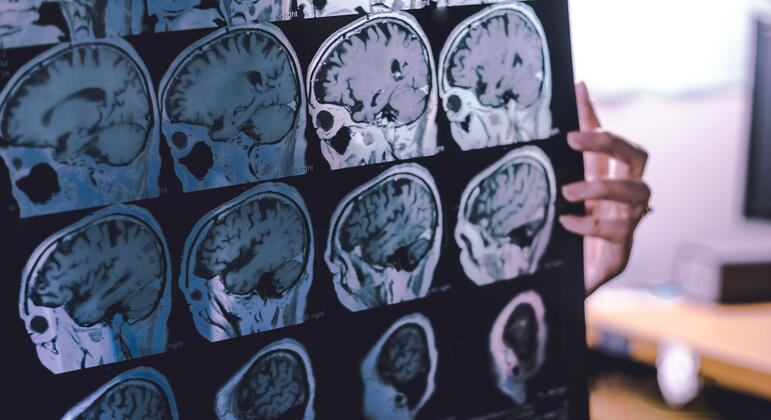
Nearly 470 million people in the Americas, the equivalent of two out of every five people, live with at least one neurological or nervous system injury-related condition.
According to an analysis published in The Lancet Regional Health – Americas, the region faces a critical epidemiological transition : although mortality from these disorders has decreased since 1990, the burden is shifting towards chronic disability, demanding an urgent reconfiguration of health systems.
The study, led by researchers from the Pan American Health Organization ( PAHO ) and based on the 2023 Global Burden of Disease Study , reveals that in 2023 these diseases caused approximately 1,1 million deaths and were responsible for 37,5 million disability-adjusted life years (DALYs). Collectively, they represent 12% of the total burden of noncommunicable diseases and injuries in the region.
“Today, more people are surviving neurological disorders, but they are also living longer with their consequences. This requires health systems to adapt to offer more rehabilitation, long-term care, and support to people living with disabilities,” said Ramón Martínez, a health metrics specialist at PAHO and lead author of the study.
Migraine, Alzheimer's and autism define the regional profile
The study, which analyzed 19 disorders in 38 countries and territories between 1990 and 2023, highlights that migraine and tension headache account for the largest number of cases, severely impacting quality of life and work productivity. However, in terms of health loss measured in disability-adjusted life years (DALYs), Alzheimer's disease and other dementias, along with strokes, lead the burden.
The impact varies according to the life stage : in children under five, neural tube defects, autism spectrum disorders and epilepsy predominate; in young people and young adults, migraine is a leading cause of disability; and in older adults, Alzheimer's and strokes place the greatest pressure on health systems.
Preventable risk factors and structural inequalities
Experts emphasize that a significant proportion of this burden is preventable . High blood pressure is identified as the main risk factor for various types of strokes, while elevated glucose levels drive the burden associated with Alzheimer's and other dementias. Environmental factors such as air pollution and lead exposure also exacerbate the situation.
“Many of these disorders share risk factors with other noncommunicable diseases. Better prevention of hypertension, diabetes, obesity, and smoking would generate direct benefits for neurological health,” stated Dr. Anselm Hennis, Director of the Department of Noncommunicable Diseases and Mental Health at PAHO.
Renato Oliveira, head of the organization's Mental Health Unit, added that " protecting brain health begins long before the first symptoms appear . "
Regional inequality
However, the burden is not distributed equally. The study finds differences of almost fourfold between the countries with the greatest and least impact. The highest rates are recorded in Haiti , Guyana, Suriname, Saint Kitts and Nevis, the Dominican Republic, and Paraguay, while the lowest are in Puerto Rico and several South American nations.
These disparities reflect structural gaps in exposure to risks and, above all, in access to diagnostic, treatment, and rehabilitation services . The chronic shortage of specialists, coupled with the limited availability of essential medicines and technologies, continues to leave millions without the care they require.
Towards integrated neurological care
Faced with this scenario, the authors propose three priority lines of action:
- Integrate neurological care into primary health care
- drastically expand access to rehabilitation services and long-term care
- Strengthen policies for the prevention of modifiable risk factors
With a rapidly aging population in the Americas, researchers warn that investing in prevention and strengthening support networks is not just a matter of public health, but an imperative to ensure the quality of life for hundreds of millions of people in the coming decades. Many of the necessary interventions are already part of strategies against non-communicable diseases, offering a concrete opportunity to integrate brain health into existing policies and programs without starting from scratch.