Although new HIV infections and AIDS-related deaths are at their lowest levels in more than three decades, progress toward ending the epidemic as a public health threat is losing momentum. Science now has tools capable of transforming HIV prevention, but cuts in international funding and unequal access to these advances threaten to cause a resurgence of the epidemic if urgent action is not taken, warns the latest UNAIDS report.
In 2025 , 1,2 million people acquired HIV , 570.000 died from AIDS-related illnesses , and approximately 9 million people living with HIV were not receiving treatment . Although several countries have made significant progress, new infections increased in three regions and 21 countries over the past year, reflecting uneven progress.
Prevention, increasingly threatened
The report notes that the global response to HIV faced a profound crisis in 2025. Resources allocated to combat the epidemic declined, and international funding fell by 18%, the steepest drop in nearly two decades. Many countries managed to maintain treatment thanks to increased domestic investment, but prevention programs and community-based organizations, which often rely on foreign aid, were severely impacted.
The funding cuts are already having consequences. In some countries, funding for condoms has been slashed by more than 90%, and numerous community-run services have declined or disappeared. A study conducted in 47 countries documented sharp reductions in prevention programs, as well as in services for men who have sex with men, sex workers, and survivors of gender-based violence.
The organization also warns that people belonging to key populations continue to face greater barriers to accessing health services. At the same time, the increase in laws criminalizing certain sexual orientations and gender identities, along with the deterioration of human rights, makes it even more difficult for many people to seek medical care without fear of discrimination.
Innovation offers hope, but access remains unequal.
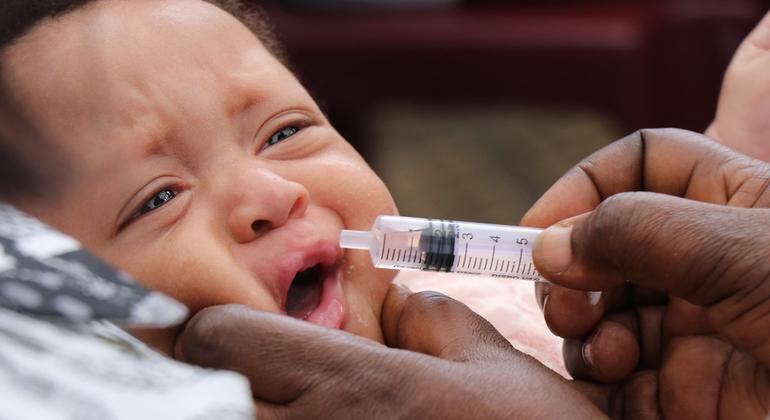
UNAIDS highlights that science is transforming HIV prevention thanks to the development of long-acting medications, such as lenacapavir , an injection administered twice a year whose preventive efficacy approaches that of a vaccine. However, the organization warns that these innovations will only have a real impact if they can reach all those who need them at an affordable price. It is estimated that 20 million people need access to antiretroviral-based preventive treatments to change the course of the epidemic.
“Innovation without access is not innovation; it is injustice,” said UNAIDS Executive Director Winnie Byanyima, who stressed that true success lies not in the existence of new medicines, but in ensuring that all people can benefit from them.
It is still possible to reach the 2030 goal
Despite the outlook, UNAIDS maintains that it is still possible to end AIDS as a public health threat by 2030. In June of this year, 149 Member States adopted a new Political Declaration on HIV and AIDS that sets targets to expand access to treatment, strengthen prevention, reduce stigma and ensure sustainable funding.
If these commitments are fully met, the organization estimates that 3,2 million new infections and 1,3 million AIDS-related deaths could be avoided by 2030. To achieve this, the report concludes, it will be necessary to renew international solidarity, strengthen investment, and ensure that scientific advances benefit everyone equally.